-
The Ionic Frieze
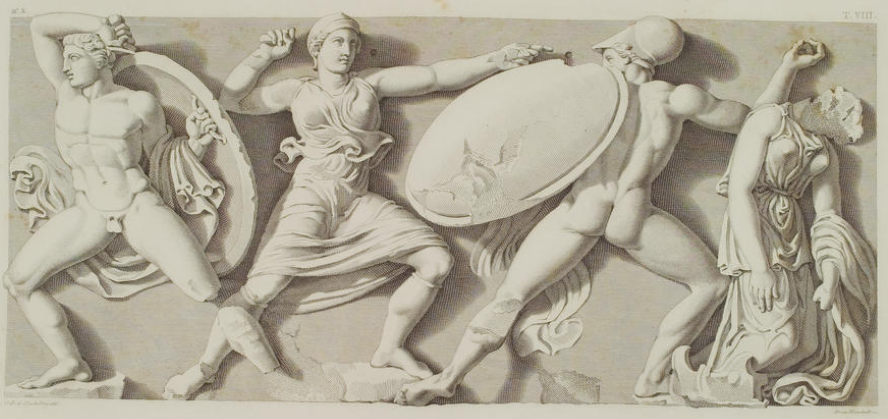
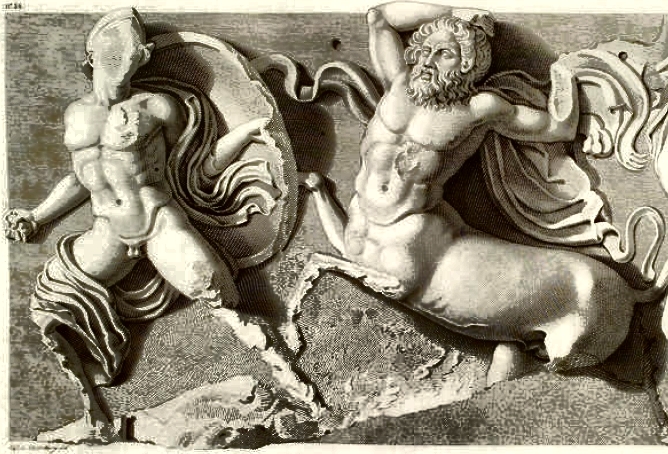
The celebrated Ionic frieze of the Temple of Apollo Epicurius, 31 m long and 0.63 m high, stood above a low Ionic architrave inside the main chamber of the cella. This interior Ionic entablature included twenty-three marble slabs carved with relief scenes of outstanding artistic quality. Temple of Apollo Epicurius Reconstruction drawing of the cella…
-

Restoring the Temple of Apollo Epicurius: A Film Produced in 2004
Watch the film written and directed by Efi Xirou, documenting the dismantling and removal of columns in 2001–2002 as part of the restoration of the Temple of Apollo Epicurius at Bassae, under the supervision of the Committee for the Conservation of the Temple of Apollo Epicurius (ESNEA). Film produced in 2004 © Hellenic Ministry of…
-
The Sanctuary at Bassae in the archaic times
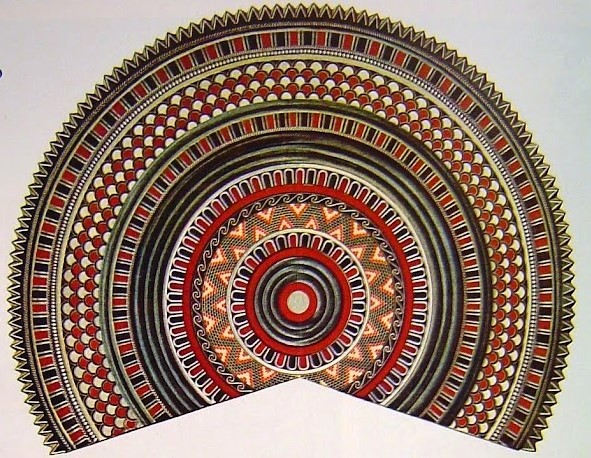
Archaeological investigations at Bassae have shown that the site of the present temple was already sacred in the eighth century BC. Finds from deposits around the temple suggest the worship of a deity with a martial character. These include arrowheads and spearheads, as well as miniature bronze weapons, helmets and shields offered as votives. Two…
-

Films
Bassae Jean-Daniel Pollet A poetic review of Greek architecture focused on the temple of Vassae, which was curious because of its isolated location in contrast to other great Greek temples. General admission and membership discounts for two adults
-
Publications
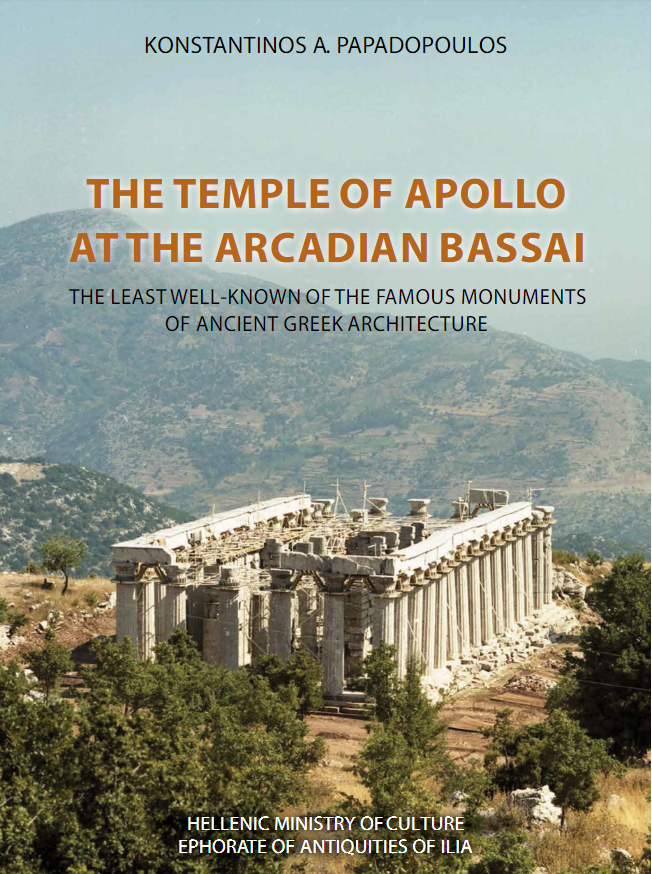
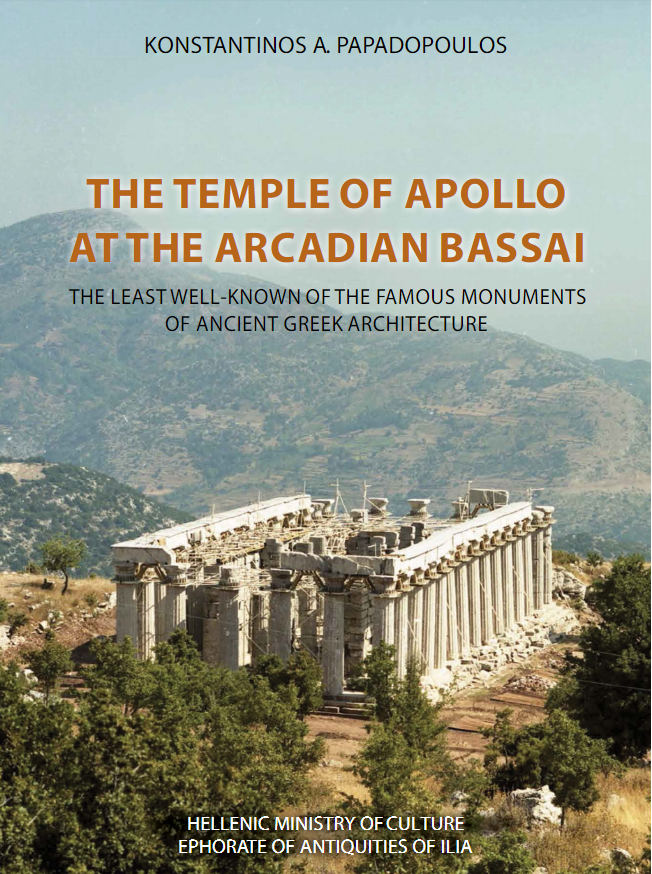
Scientific monographs – Archaeological guides The Temple of Apollo at the Arcadian Bassai The least well-known of the famous monuments of ancient Greek architecture. Flip through the book Studies for the restoration project Temple of Apollo Epikourios: Study of the Restoration of the Long Sides and of the Reconstruction of Blocks in the North Architrave…
-
The classical temple
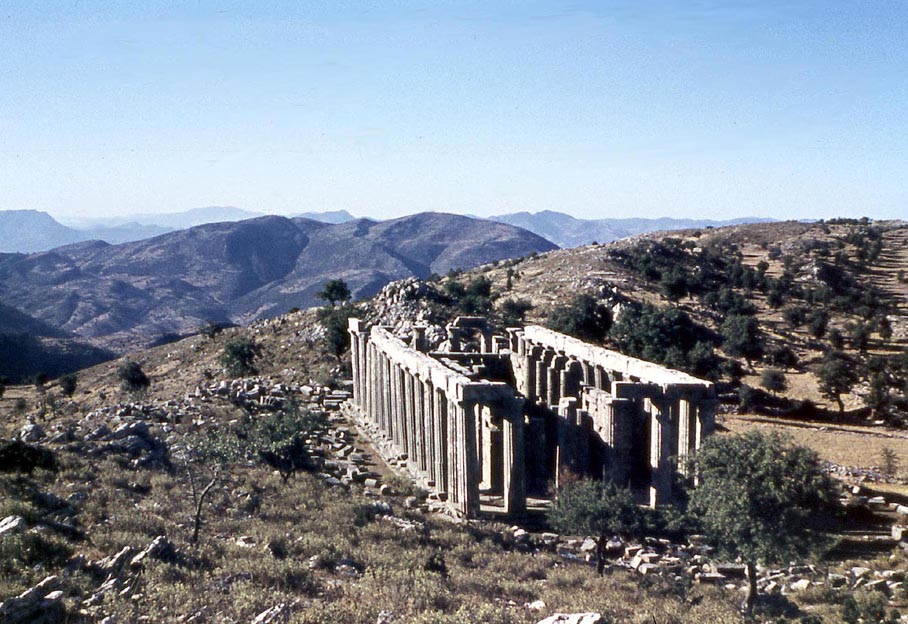
Table of Contents Introduction The Temple of Apollo Epicurius Iktinos Type and morphological characteristics of the temple of Bassae The orientation of the temple Structural materials – Quarries Foundation – Crepidoma (Steps) The colonnade (peristyle – ptero) of the temple Entablature Cella (Sekos – main temple) The interior of the cella The adyton The cult…
-
Research and Earlier Restoration Work
The first conservation treatments After the establishment of the Greek state, especially in the last years of the 19th and the beginning of the 20th century, many scientists were involved in the research and study of the monuments of Bassae, and with the extremely difficult task of preserving and restoring the Temple of Apollo Epicurius.…
-
Η ανακάλυψη του μνημείου
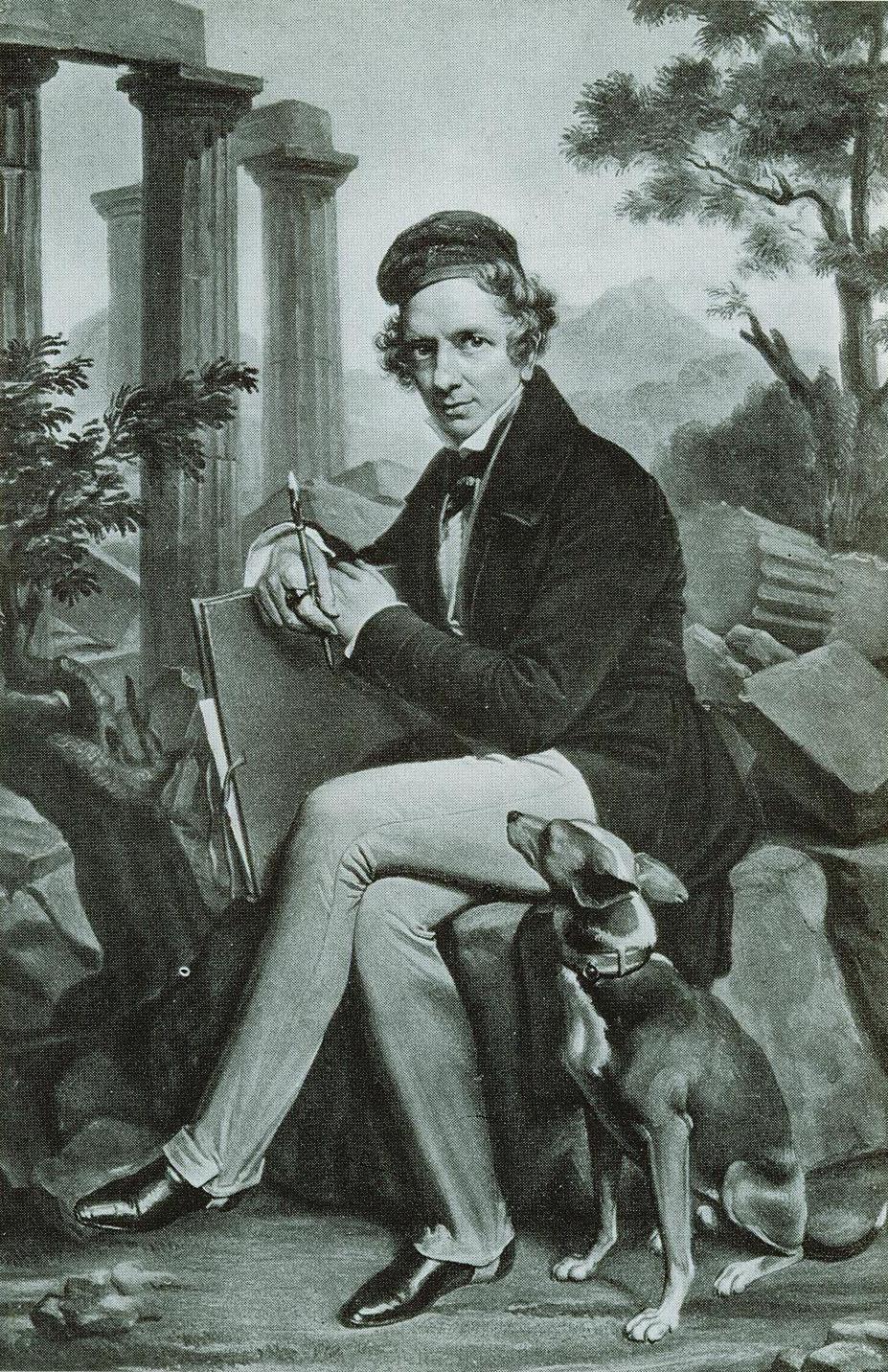
Σύμφωνα με τα αρχαιολογικά ευρήματα, ο ναός ήταν σε χρήση τουλάχιστον ως και την εποχή κατά την οποία τον επισκέφθηκε ο Παυσανίας (2ος αι. μ.Χ.) στον οποίο οφείλουμε την μοναδική από την αρχαιότητα περιγραφή του. Στους αιώνες που ακολούθησαν, φαίνεται πως η ανθρώπινη επέμβαση και τα φυσικά φαινόμενα προκάλεσαν την φθορά και απαξίωση του μνημείου.…
-
Βάσσες – Παρρασία.
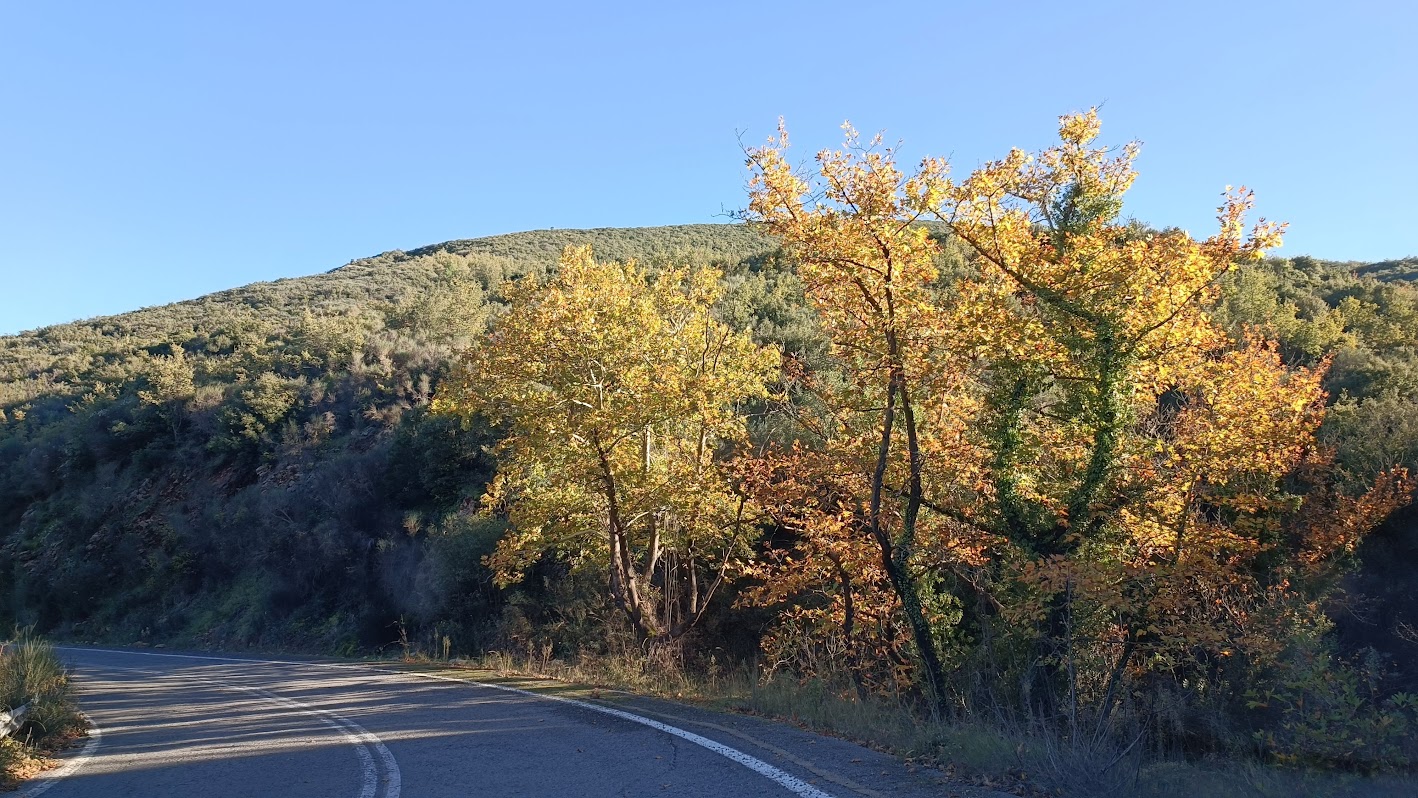
Το ιερό του Επικούριου Απόλλωνα στην περιοχή των Βασσών, βρισκόταν στις παρυφές της Παρρασίας, μίας από τις αρχαιότερες περιοχές της Αρκαδίας, στις δυτικές παρυφές της λεκάνης της Μεγαλόπολης και στις ανατολικές κλιτύες του Λυκαίου όρους. Το όνομα “Βάσσαι” είναι δωρικής προέλευσης και σημαίνει τα κατάφυτα πλατώματα σε ορεινή περιοχή. Το τοπωνύμιο περιγράφει το φυσικό περιβάλλον,…