UNESCO
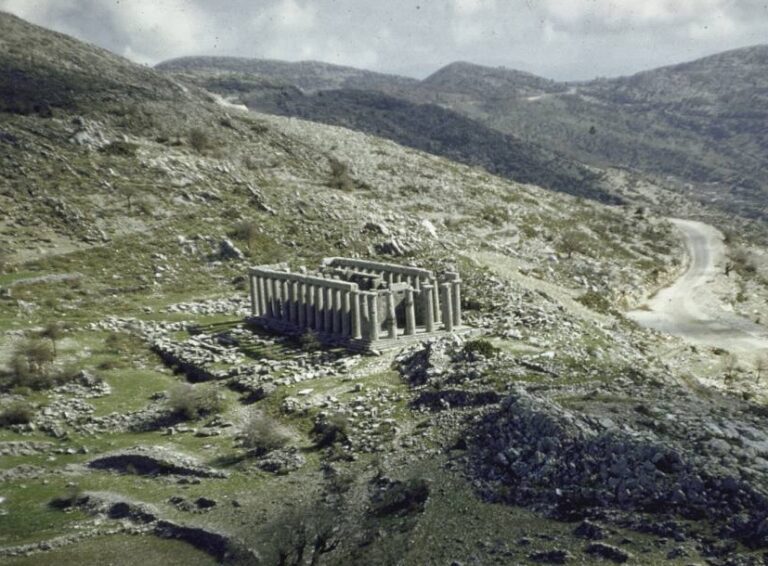
The Temple of Apollo Epicurius at Bassae became the first monument in Greece to be inscribed on the UNESCO World Heritage List in 1986.
For the official statement of Outstanding Universal Value and the inscription criteria, see the UNESCO World Heritage Centre entry.
Integrity
The monument retains the essential attributes that express its Outstanding Universal Value.
Its relative isolation and the designation of the surrounding land as an archaeological site help safeguard its integrity.
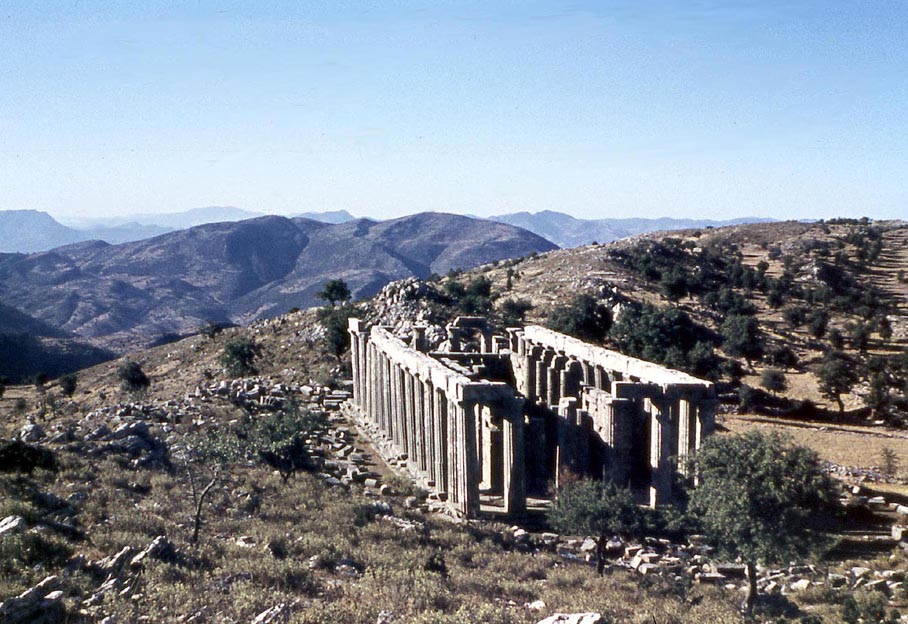
The outer colonnade and many elements of the temple’s internal architectural arrangement remain substantially intact.
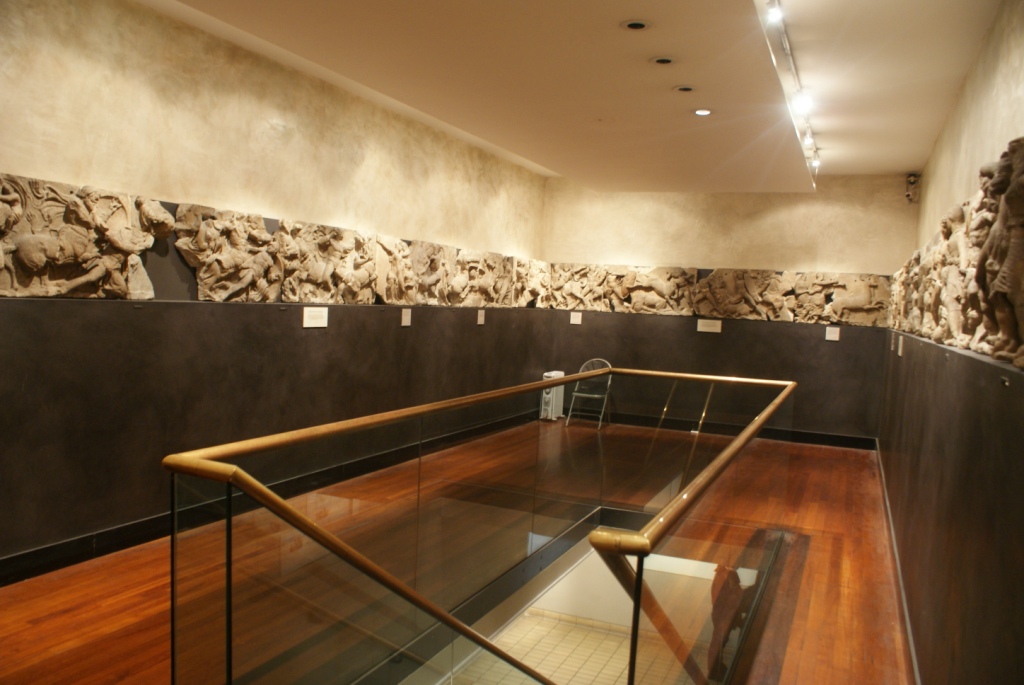
The sculpted frieze, originally an integral part of the architectural design, was removed in 1812 and is now in the British Museum.
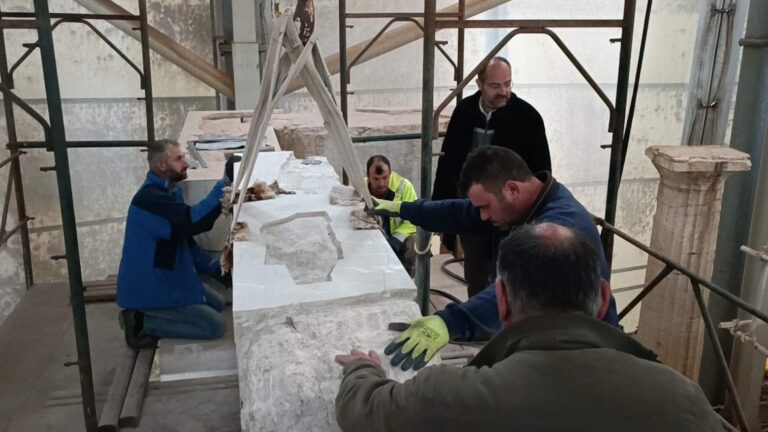
Coordinated conservation and management measures protect the site as a whole. These include a protective shelter and drainage provisions designed to reduce deterioration caused by extreme weather.
World Heritage protection seeks to safeguard monuments and sites against damage and destruction and preserve them for future generations.
Authenticity
The temple’s distance from settlements has helped preserve a high degree of authenticity.
Its long period outside the focus of wider attention limited alterations to the ancient building before renewed scholarly interest in the eighteenth century.
Much of the ancient structure and building material survives, contributing to the monument’s exceptional authenticity.
The protected area around the temple safeguards its relationship with the natural landscape.
Restoration and conservation follow international principles. Where supplements are necessary, local limestone compatible with the ancient building material is used.
The relationship between the temple and its landscape allows visitors to appreciate architectural ideas that influenced the development of ancient art and architecture.
Properties are inscribed on the World Heritage List when they meet the established criteria for Outstanding Universal Value, including historical, artistic, scientific, aesthetic, ethnological or anthropological significance.
Protection and Management Requirements
The monument is protected under Law 4858/2021, “Ratification of the Code of Legislation for the Protection of Antiquities and Cultural Heritage in General” (Government Gazette A 220/19 November 2021).
The wider area of the Temple of Apollo Epicurius was designated as an archaeological site by Ministerial Decision 44671/1836 of 5 November 1986.
Following a series of expropriations, a further 4.5 hectares were added to the archaeological site in 1996. The buffer zone protects the setting of the temple and views towards the monument and archaeological site.