-

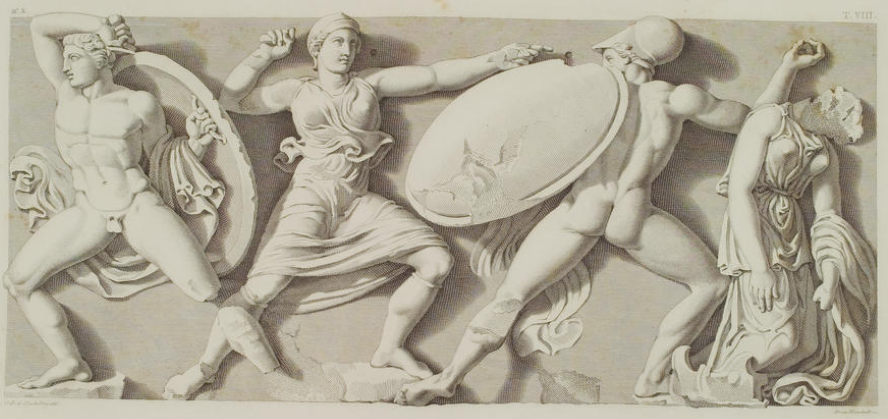
The Excavations of 1812
Introduction The period from the mid-eighteenth to the mid-nineteenth century, following the maritime explorations of the fifteenth and sixteenth centuries, has been described as a second great age of discovery. Its intellectual background was shaped by the Renaissance and the Enlightenment. These movements encouraged interest in, and admiration for, Classical civilisation and its achievements in…
-
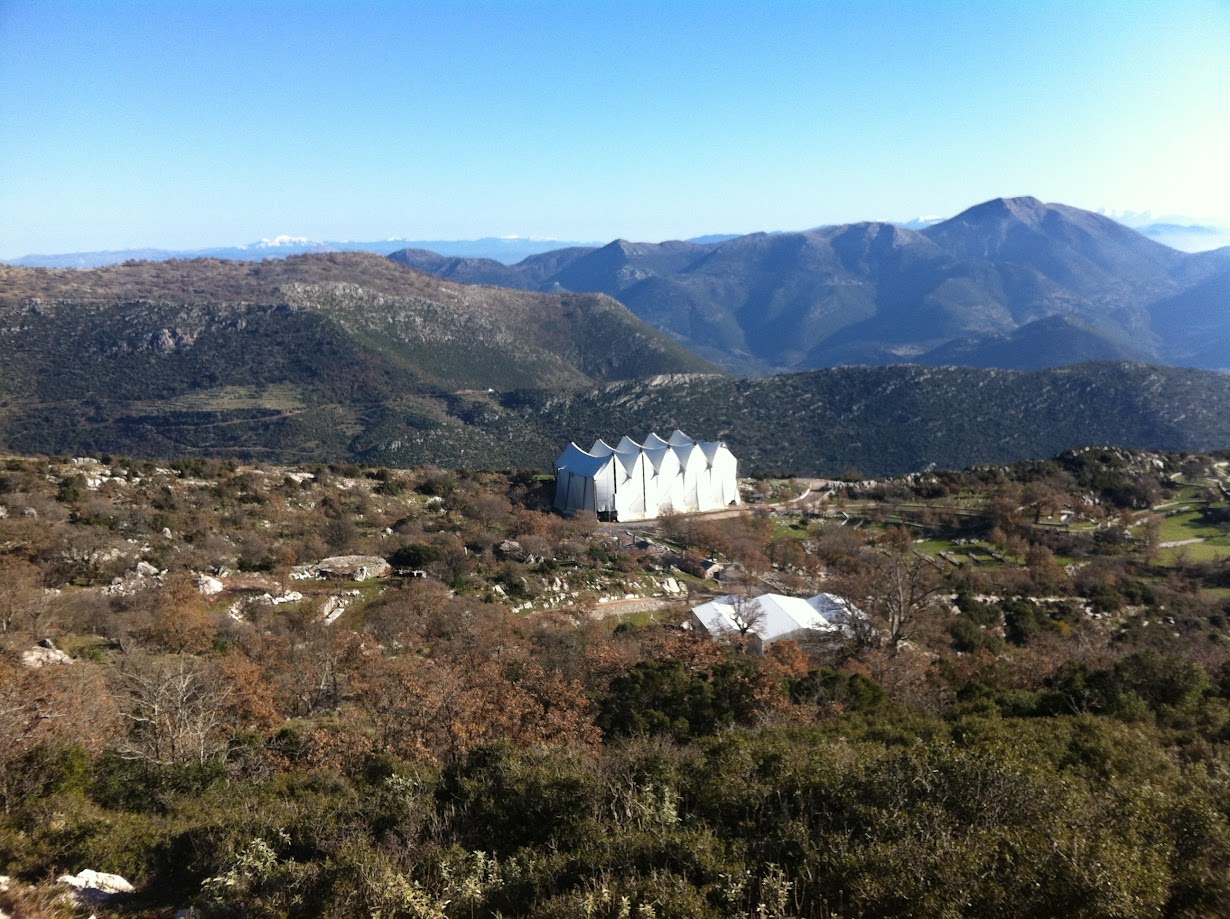
The Modern Restoration Programme
Early Interventions Following the establishment of the Greek State, particularly in the late nineteenth and early twentieth centuries, many scholars studied the monuments at Bassae and undertook the exceptionally difficult task of conserving and restoring the Temple of Apollo Epicurius. The first protective intervention took place in 1880 and concerned three columns at risk of…
-
Restoration Studies
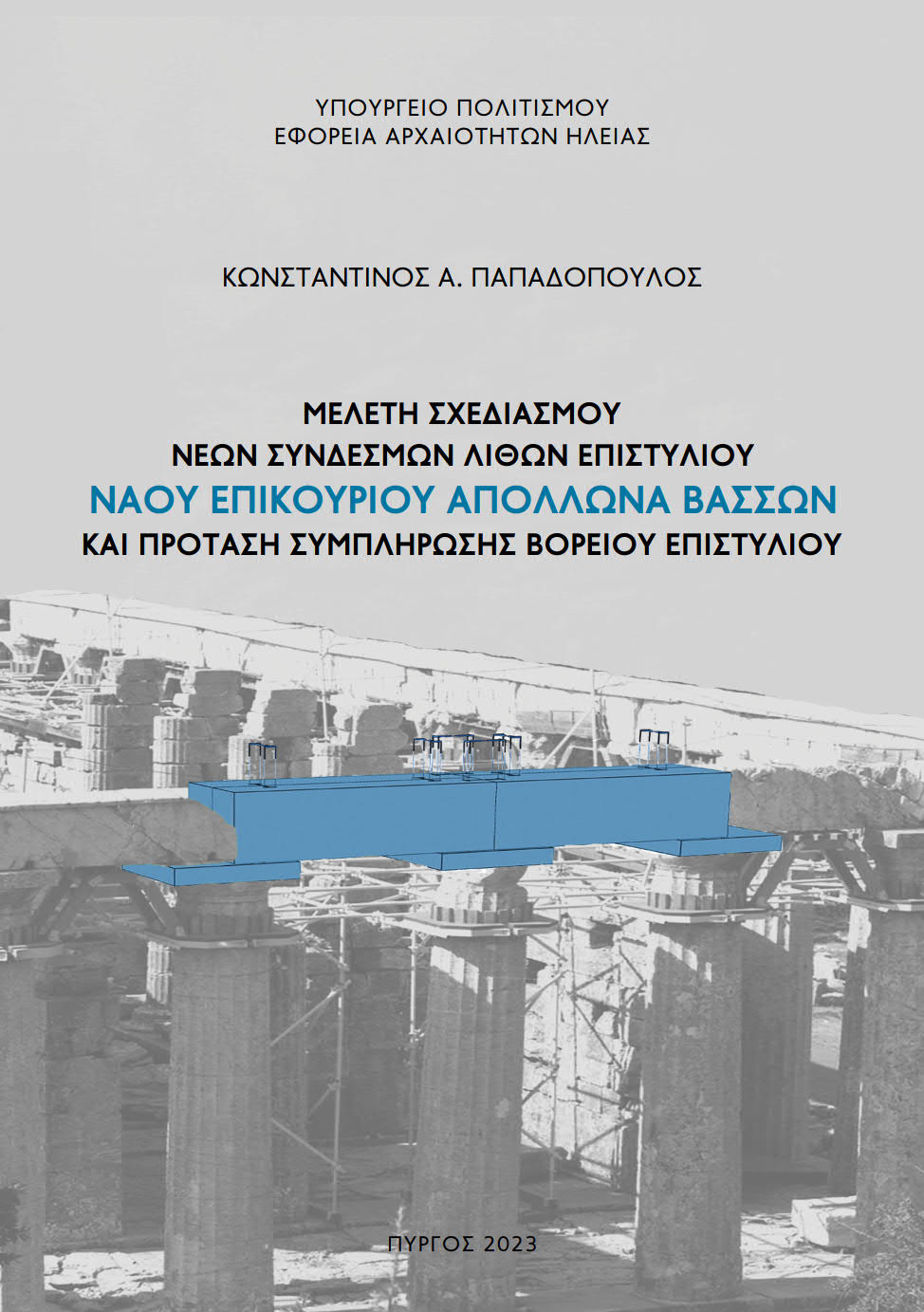
Temple of Apollo Epicurius at Bassae: Restoration of the Long Sides and Reconstruction of Blocks in the North Architrave Temple of Apollo Epikourios: Study presented in its original form. Browse the study Temple of Apollo Epicurius at Bassae: Design of New Connectors for the Architrave Blocks and Proposal for Completing the North Architrave Temple of…
-
Temple of Apollo Epicurius: Study of the Restoration of the Long Sides and the North Architrave
Browse the study of the restoration of the long sides of the Temple of Apollo Epicurius at Bassae and the reconstruction of blocks in the north architrave. The publication is presented below in its original form.
-
Design of New Connectors for the Architrave Blocks and Proposal for Completing the North Architrave
Browse the study on the design of new connectors for the architrave blocks of the Temple of Apollo Epicurius at Bassae and the proposal for completing its north architrave. The study is presented below in its original language.
-
Temple of Apollo Epicurius at Bassae: Nineteenth-Century Views and the Work of ESNEA — Calendar-Album 2010
Browse the 2010 calendar-album, Temple of Apollo Epicurius at Bassae, Phigaleia: Nineteenth-Century Visual Accounts and the Work of the Committee for the Conservation of the Monument (ESNEA). The publication is presented below in its original language.
-
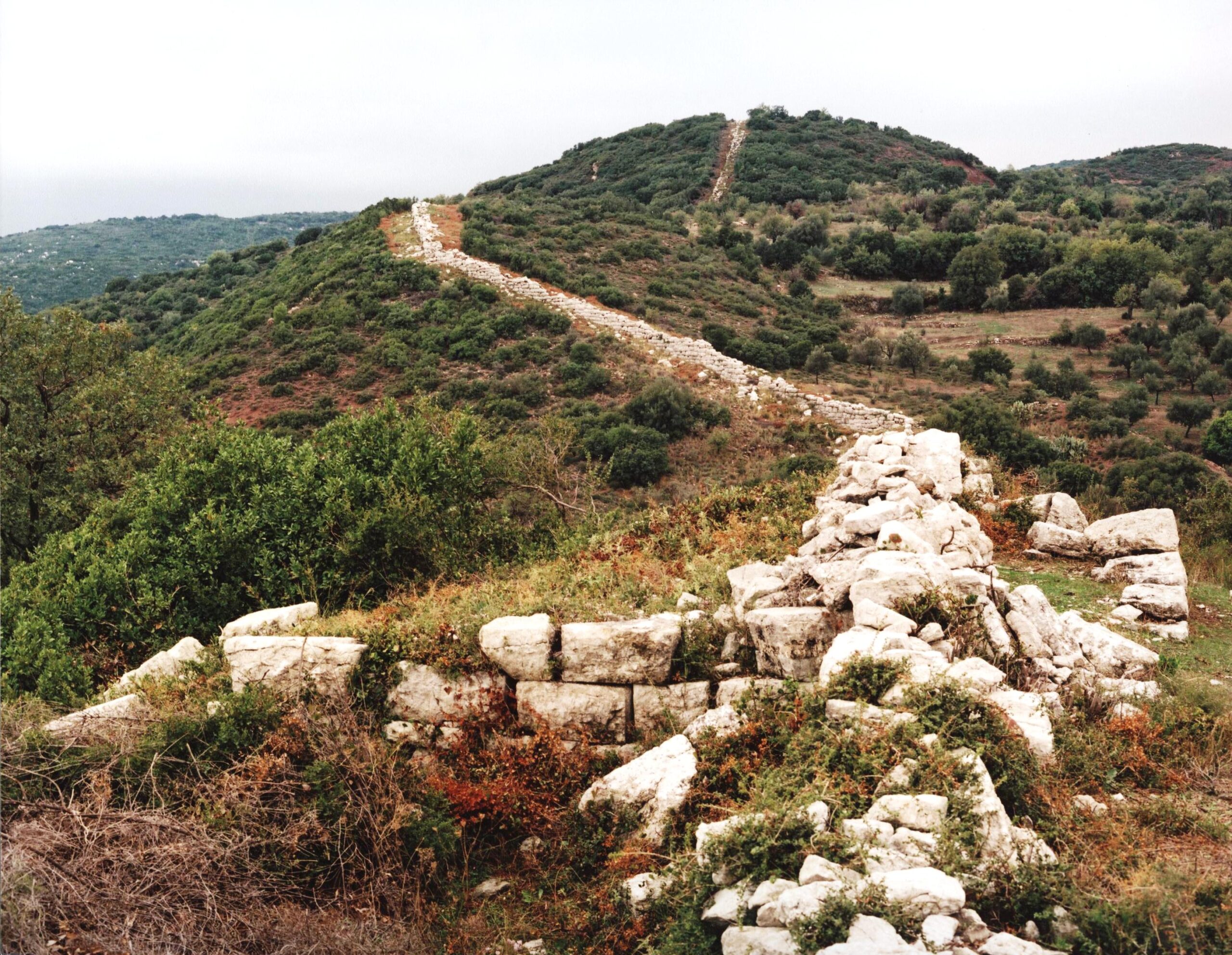
Ancient Phigaleia
The City Responsible for the Sanctuary In antiquity, Phigaleia was one of the most powerful Arcadian cities. Its territory included the sanctuary and Temple of Apollo Epicurius, and it was also associated with the region of Triphylia. The city took its name from its mythical founder, Phigaleus. Phigaleia’s territory extended northeast to Mount Kotilion, where…
-
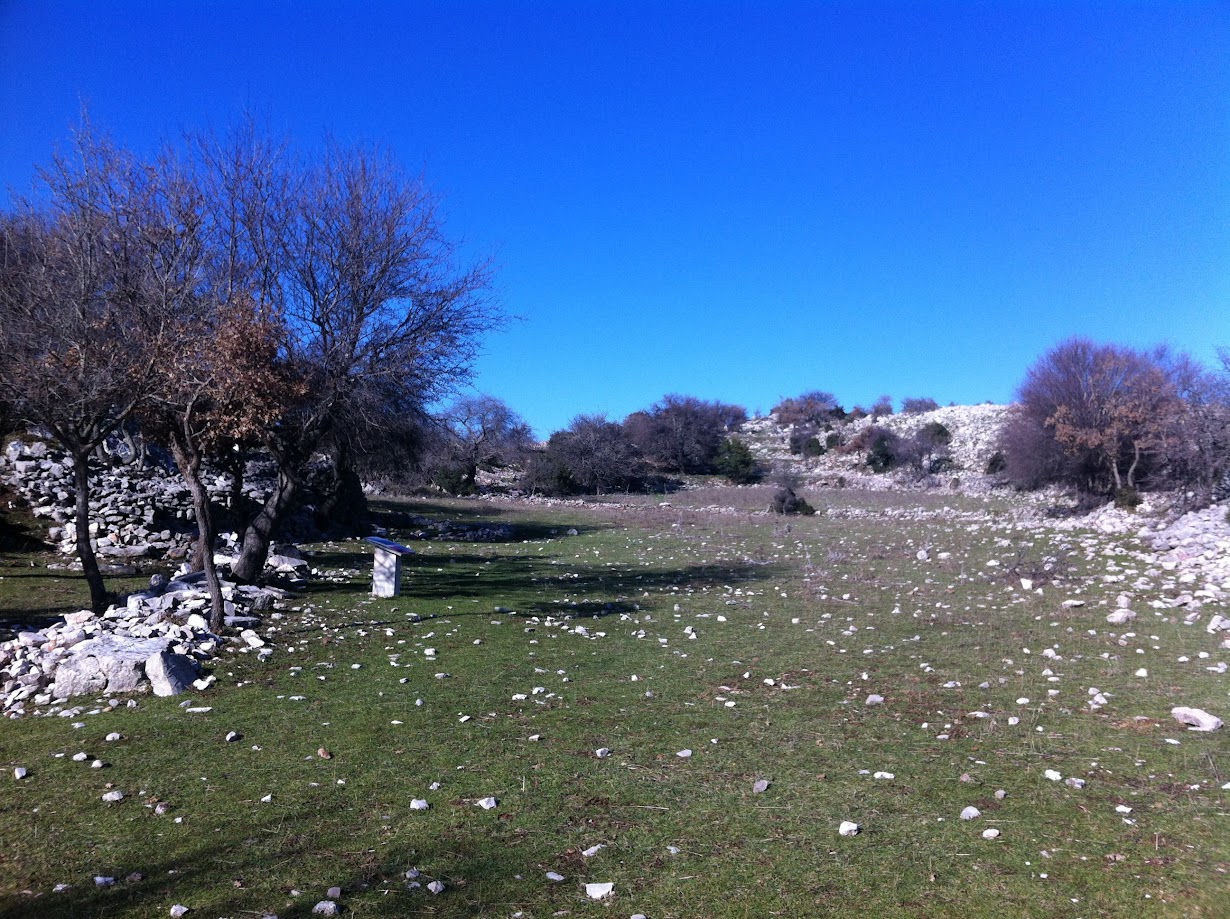
The Sanctuaries on Mount Kotilion
At Kotilo on Mount Kotilion The Sanctuaries of Aphrodite and Artemis Orthasia On Mount Kotilion, at an altitude of 1,226 m, northwest of the Temple of Apollo Epicurius and approximately 100 m above it, lie the remains of two small sanctuaries. “Above the sanctuary of Apollo Epicurius is a place called Kotilo, from which Aphrodite…
-
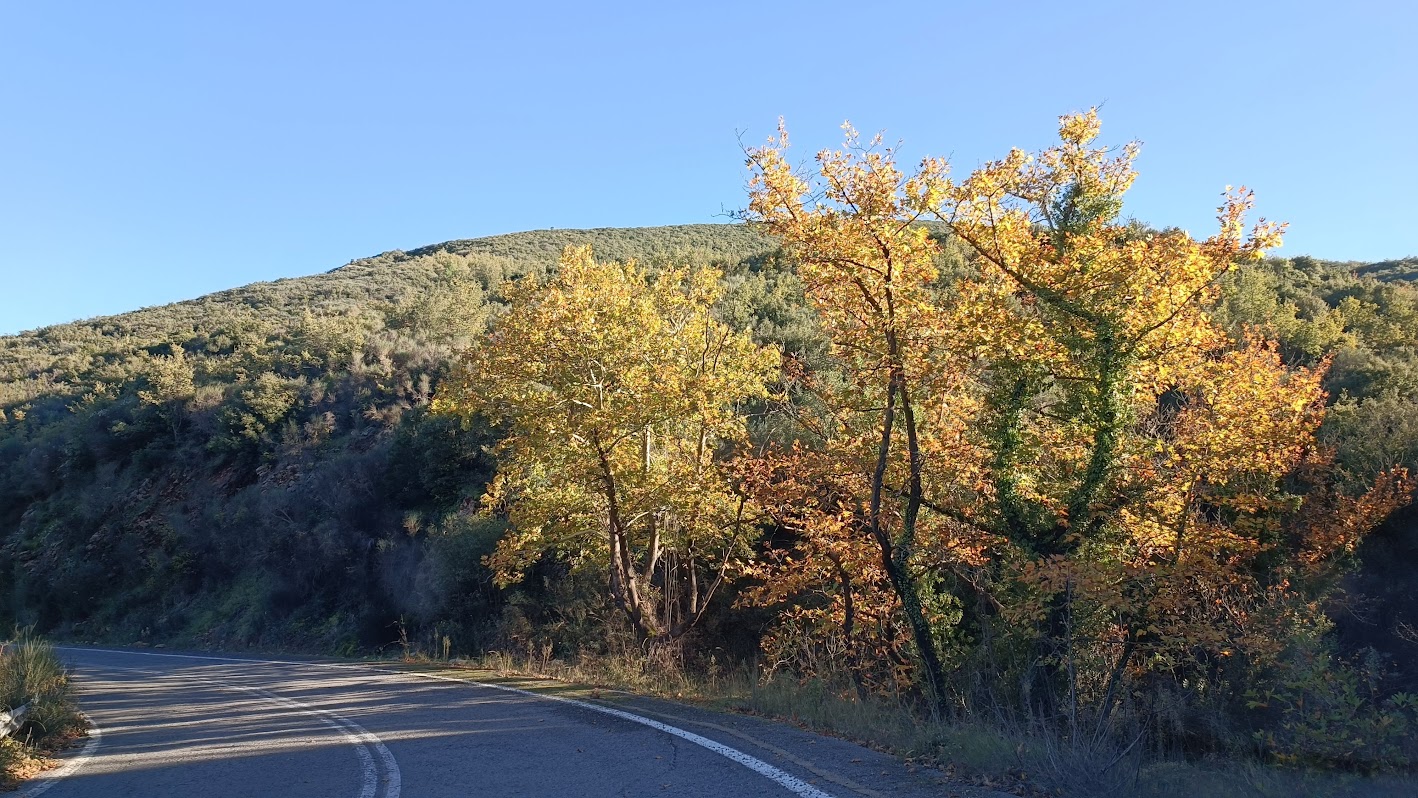
Bassae and Parrhasia
The sanctuary of Apollo Epicurius at Bassae stood on the fringes of Parrhasia, one of the oldest regions of Arcadia, extending along the western edge of the Megalopolis basin and the eastern slopes of Mount Lykaion. The name Bassai is of Doric origin and refers to wooded terraces in mountainous terrain. The place name describes…
-
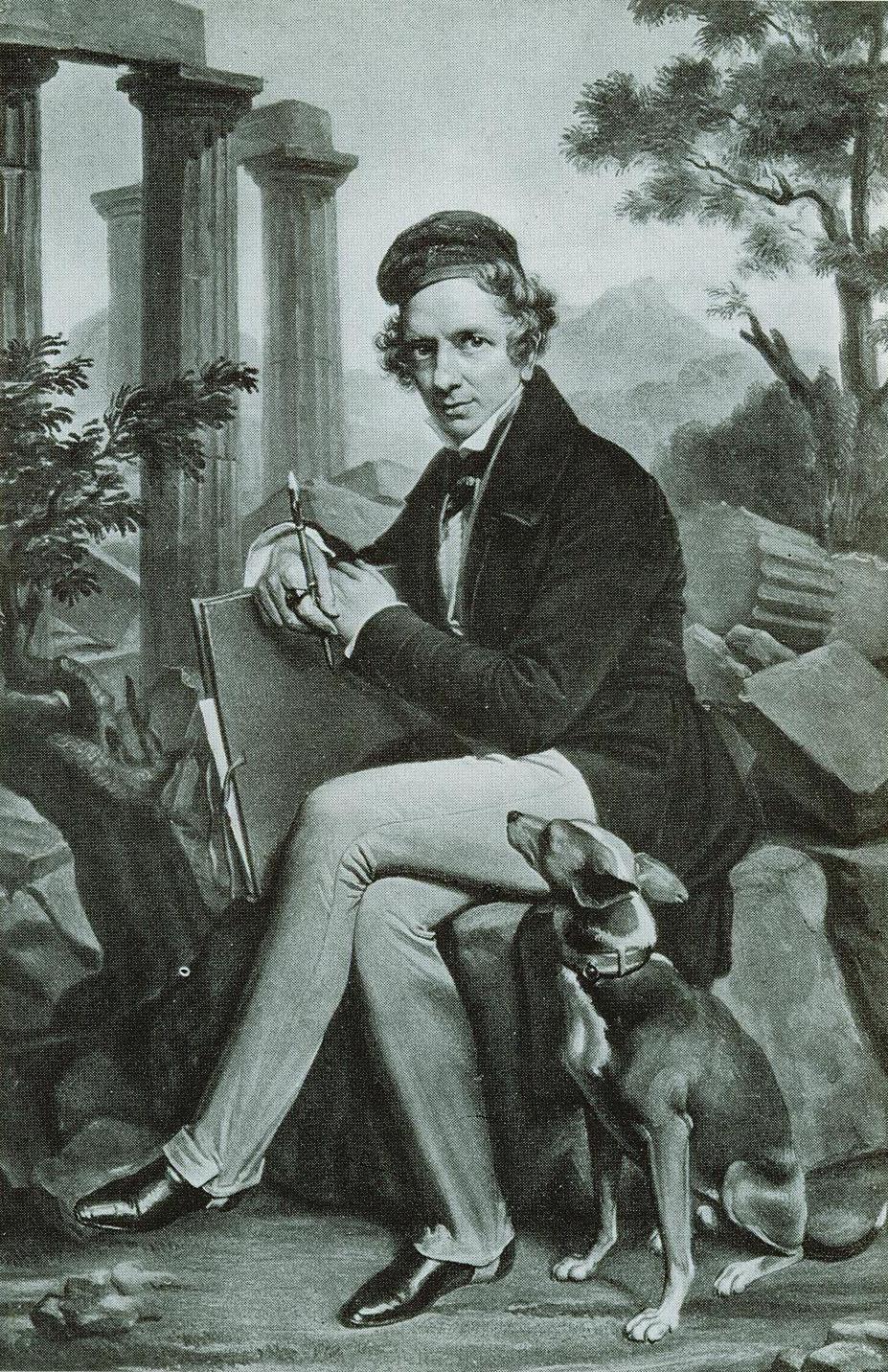
The Rediscovery of the Temple
Archaeological evidence indicates that the temple remained in use at least until the visit of Pausanias in the second century AD. His account is the only surviving description of the monument from antiquity. In the centuries that followed, human interventions and natural forces caused its deterioration and neglect. The temple faded from wider memory, although…