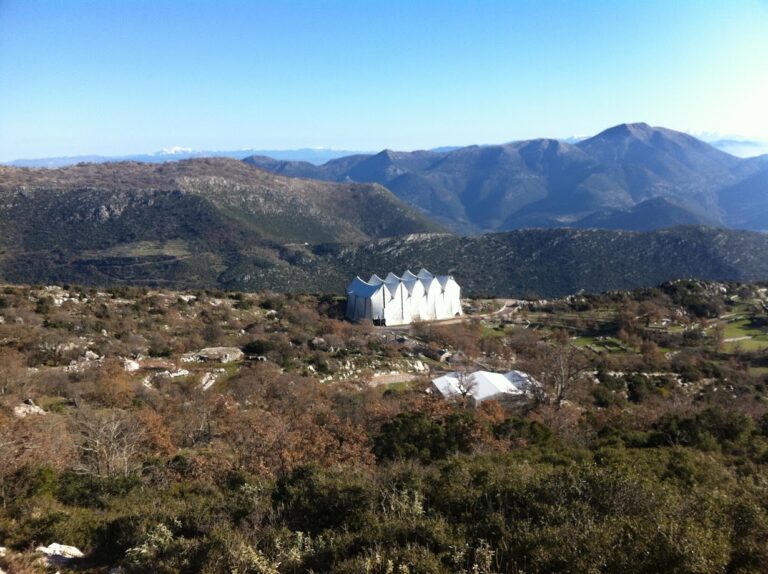
The sanctuary of Apollo Epicurius at Bassae stood on the fringes of Parrhasia, one of the oldest regions of Arcadia, extending along the western edge of the Megalopolis basin and the eastern slopes of Mount Lykaion.
The name Bassai is of Doric origin and refers to wooded terraces in mountainous terrain.
The place name describes the natural setting of the sanctuary and the temple of Apollo, who was also known by the epithet Bassitas.
Like the other Arcadians, the Parrhasians were regarded in ancient tradition as indigenous inhabitants of the Peloponnese.
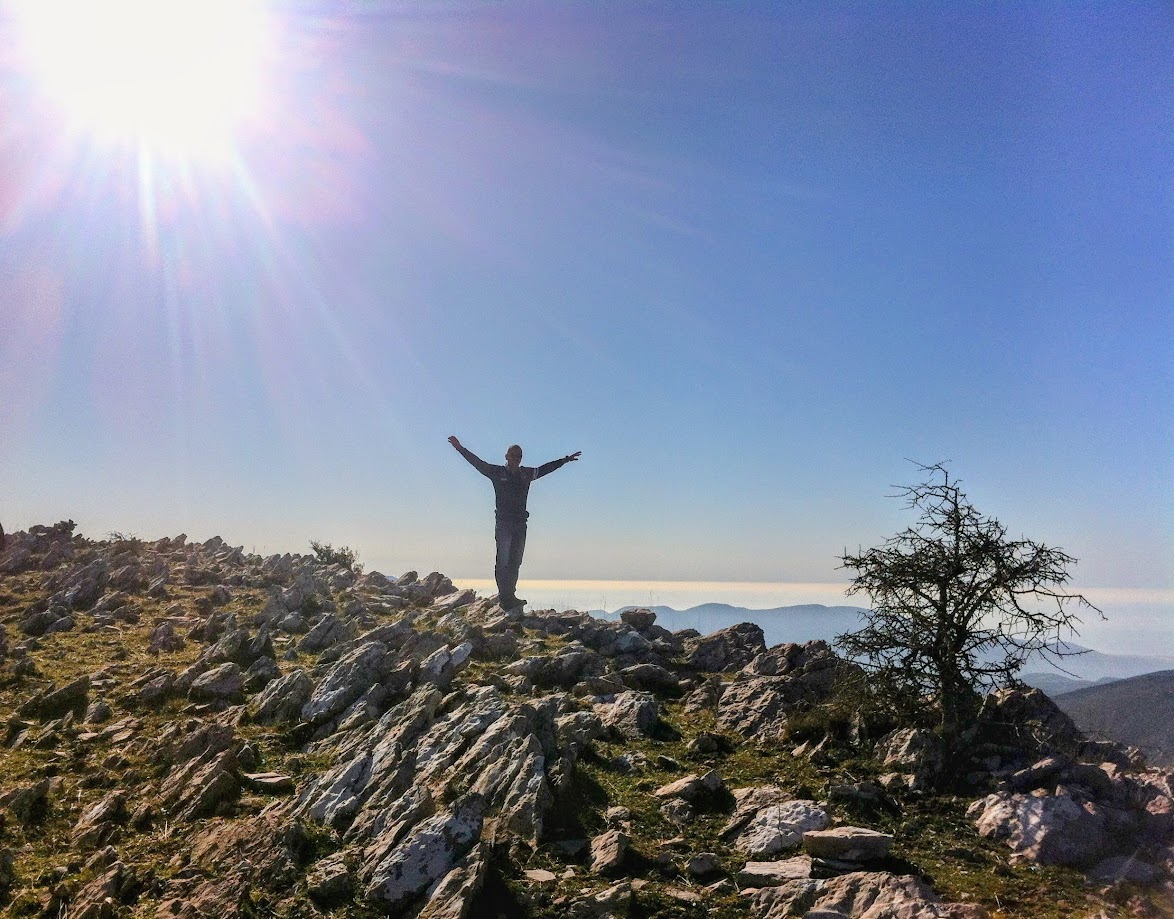
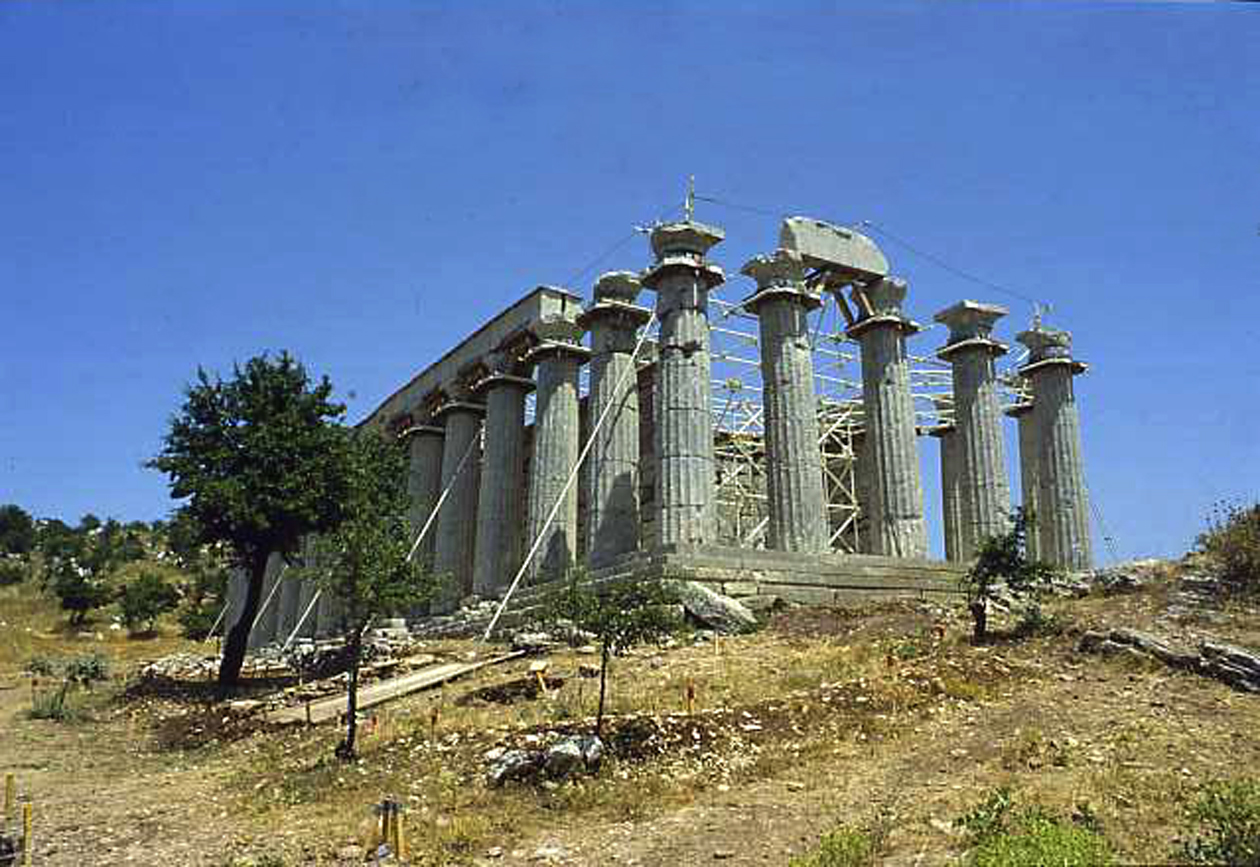
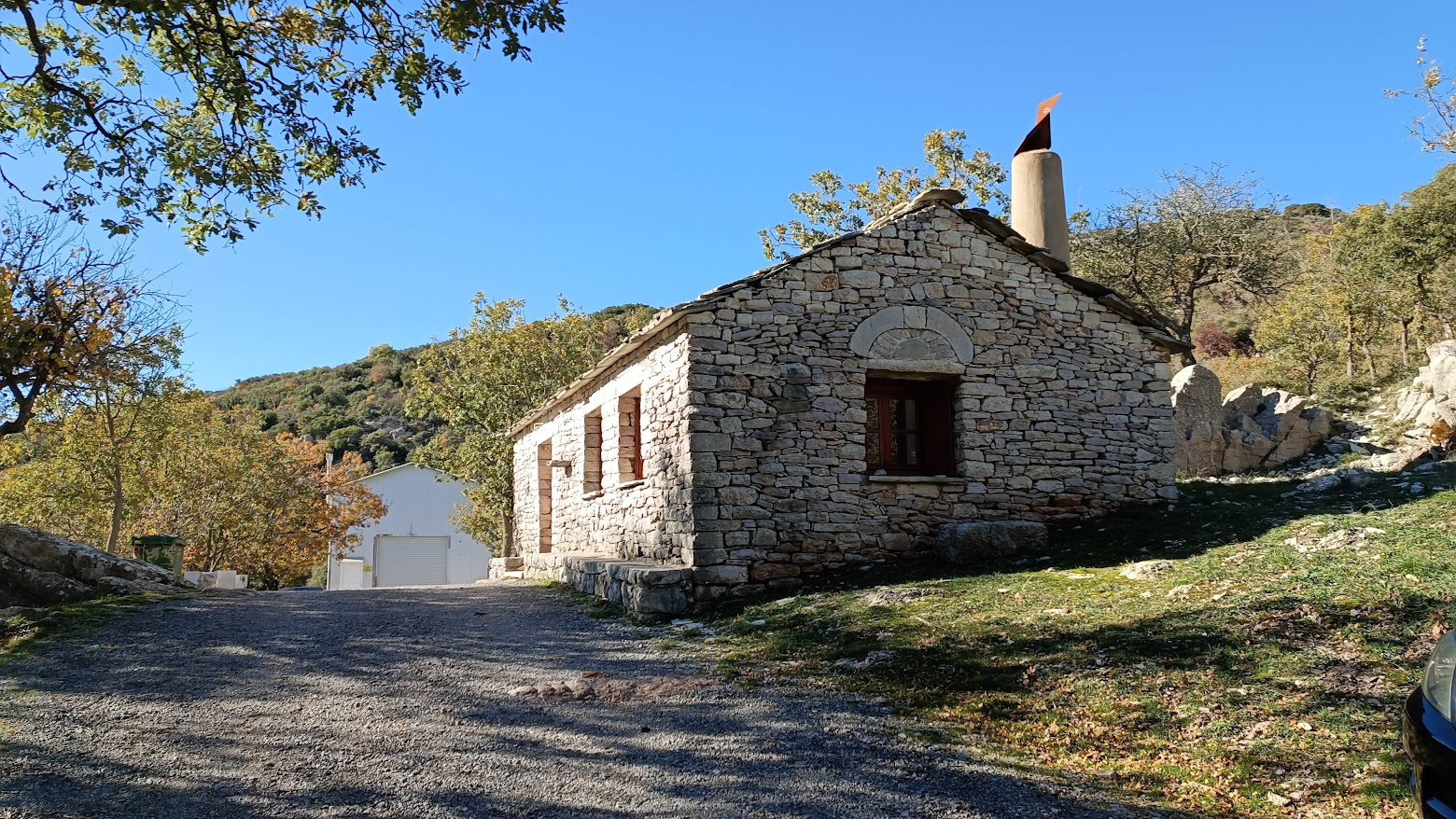
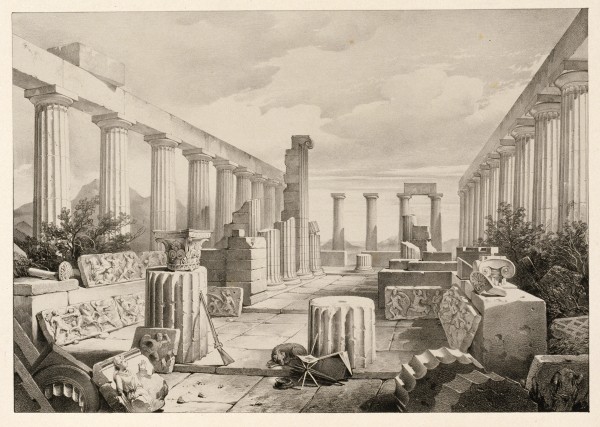
Livestock grazing and extensive logging in more recent times stripped the landscape of much of its vegetation. Its present appearance therefore differs from the wooded setting of Bassae in antiquity.
Visitors today may feel that Bassae is isolated because of its high altitude and considerable distance from major towns. This impression does not reflect the situation in antiquity.
In addition to Phigaleia, which founded and controlled the sanctuary, several towns, smaller settlements, forts and sanctuaries lay within a relatively short distance, with varying degrees of accessibility.
- The sanctuary of Zeus on the summit of Mount Lykaion, the most important sanctuary in Arcadia. According to Arcadian tradition, Zeus was born there and raised by the nymphs Theisoa, Neda and Hagno. The sanctuaries of Zeus on Mount Lykaion and Apollo Epicurius at Bassae were intervisible and connected by a road whose course survives, with some alterations.
- The two Archaic temples dedicated to Aphrodite and Artemis on the summit of Mount Kotilion.
- Ancient Lykosoura, described by Pausanias as the oldest city in Greece, which controlled the sanctuary of Zeus on Mount Lykaion.
- Ancient Eira, a Messenian settlement of the seventh to sixth centuries BC on the western side of Mount Tetrazi, where the Messenians fortified themselves and resisted Sparta.
- Ancient Theisoa, a settlement in Parrhasia on the slopes of Mount Kerausion, north of Mount Lykaion. As Pausanias records (8.38.9), the inhabitants of the settlement and the surrounding territory paid particular honours to the nymph Theisoa.
- Ancient Alipheira, south of the Alpheios valley, in the Kynourian district of Arcadia on the border with Triphylia. Its name is probably pre-Greek and is associated with Alipheros, one of Lykaon’s fifty sons, regarded as its mythical founder.
- Ancient Lepreon, an important city and the capital of Triphylia, described by Strabo as a prosperous land.
- A sixth- to fifth-century BC temple at Petroules, on a hilltop on Mount Tetrazi near Ano Melpeia.
- The remains of a fortified settlement at Gardiki, Vresto. Within its walls are the remains of houses, public buildings and a theatre dating to the fourth century BC. Archaic finds have also been recovered. The site has not yet been securely identified with a named ancient city of Triphylia.
- An ancient single-room temple near the village of Perivolia. Excavation has also revealed other buildings and a large open water channel.

Temple of Demeter
Archaeological Site of Lepreon
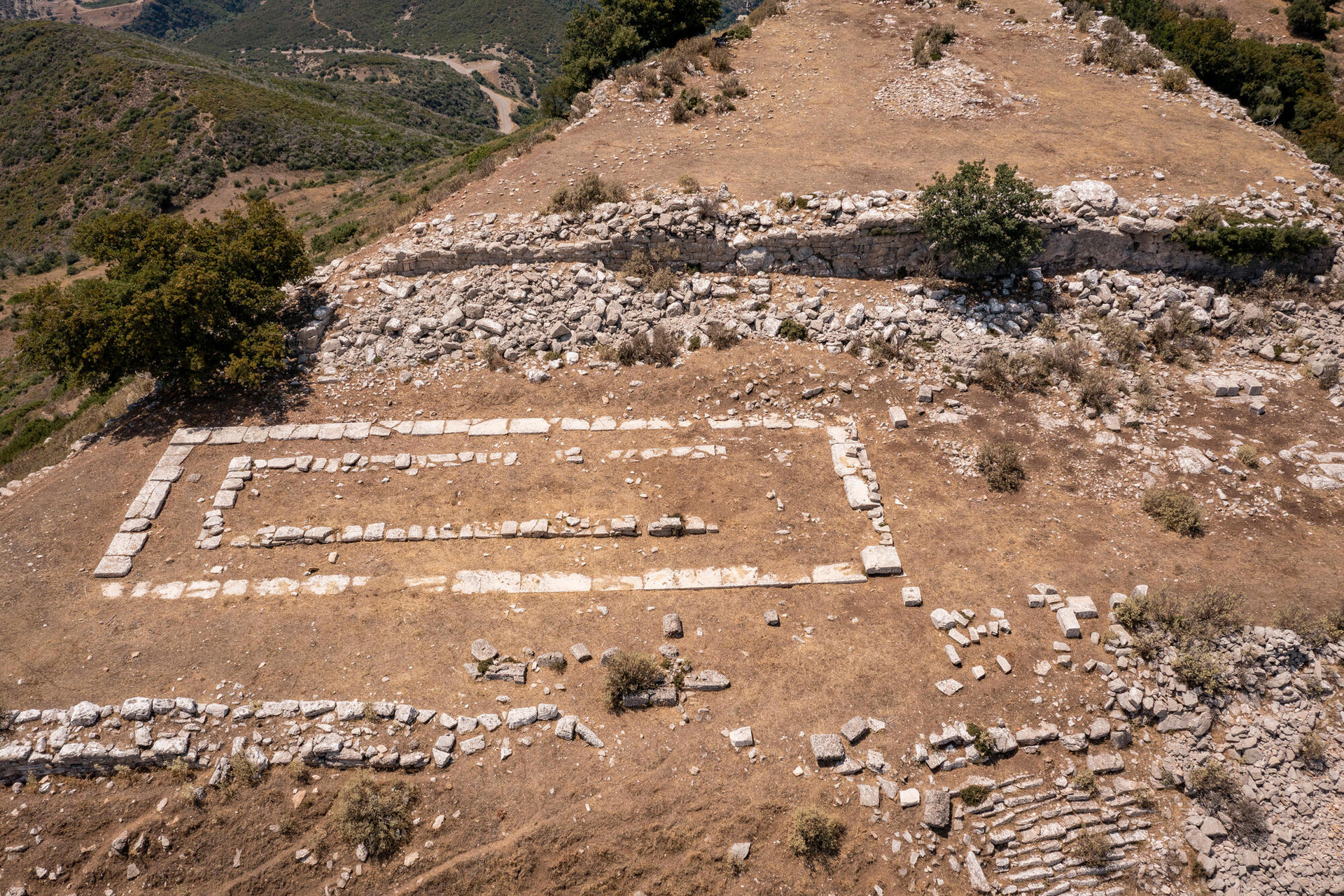
Temple of Athena
Archaeological Site of Alipheira
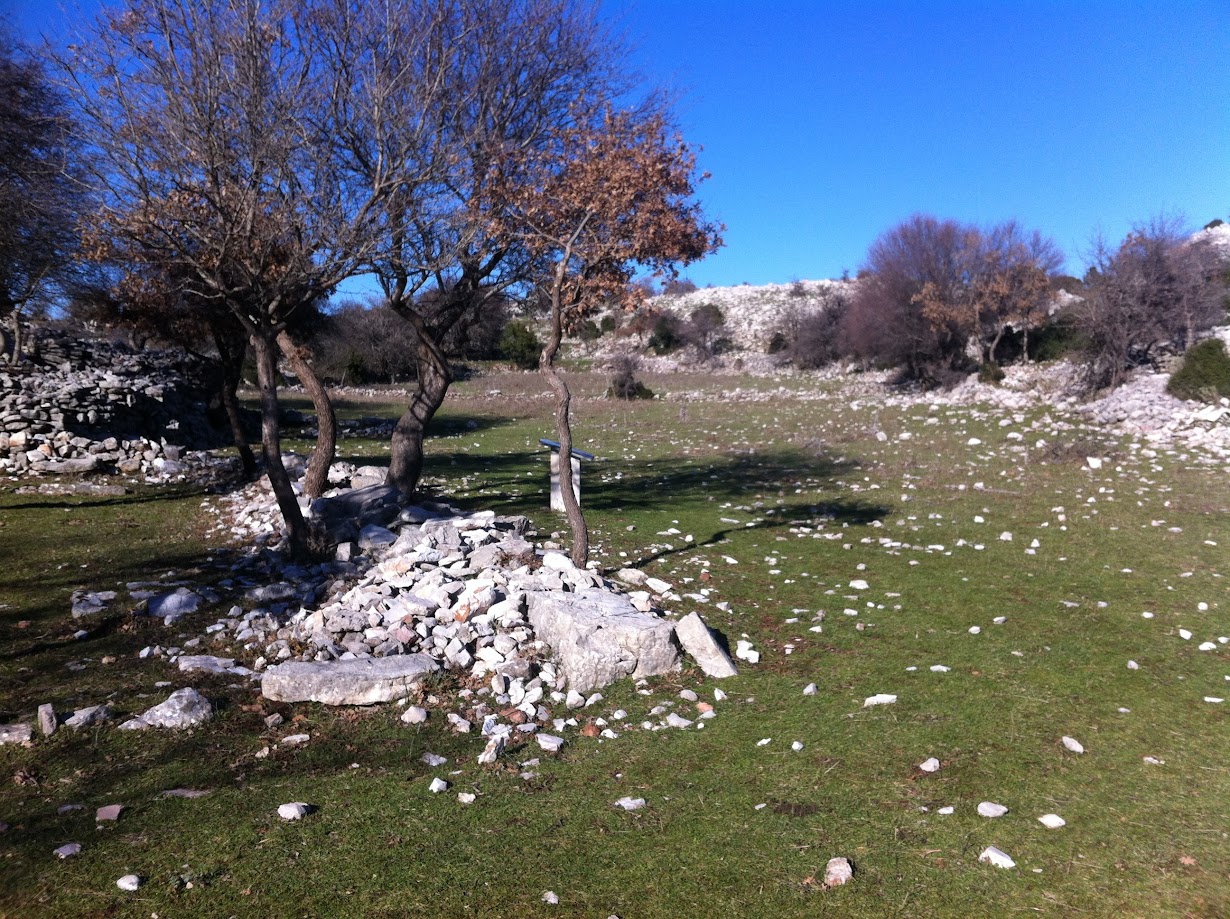
Temples of Artemis and Aphrodite
Sanctuaries on Mount Kotilion
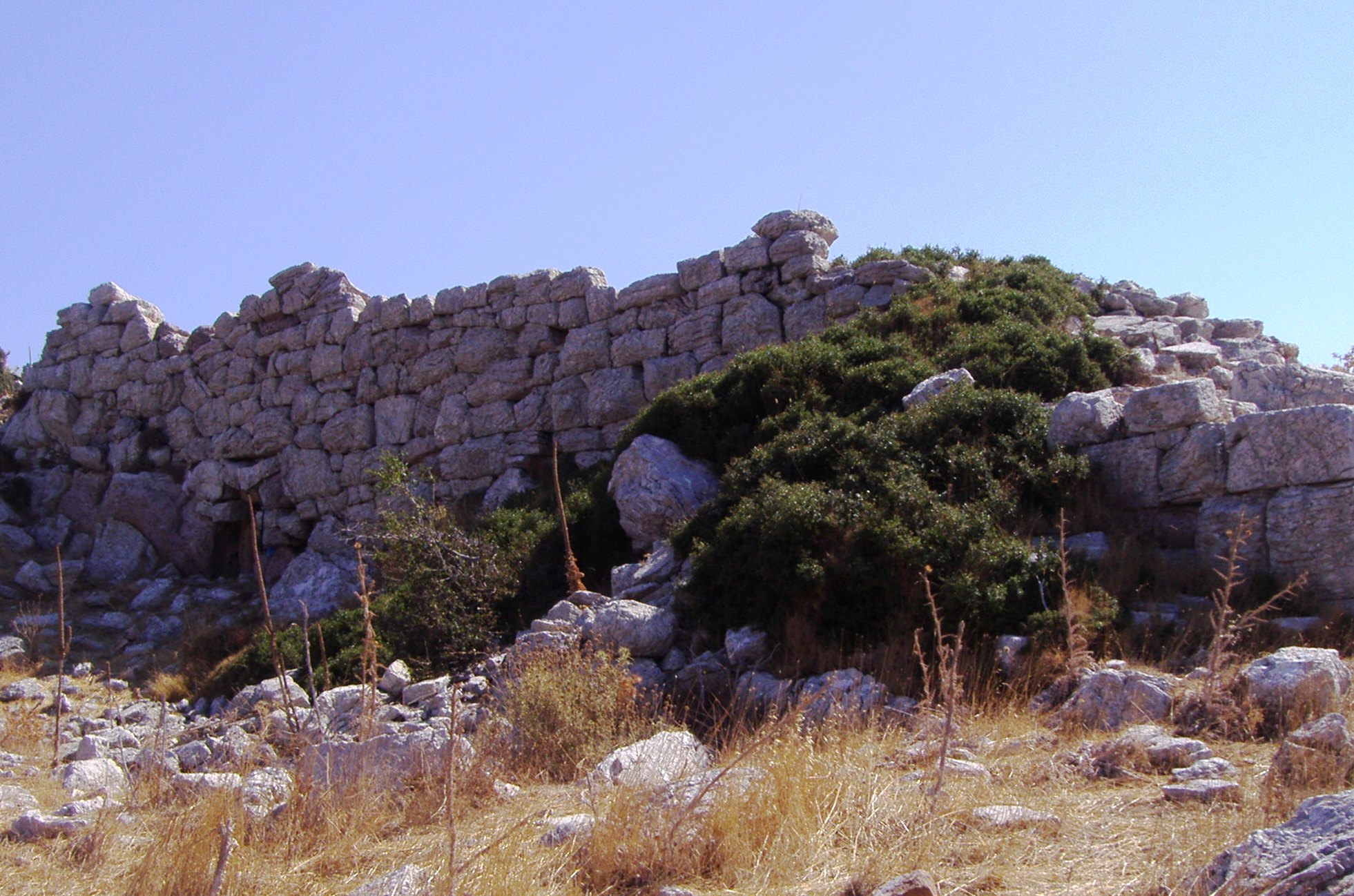
Theisoa
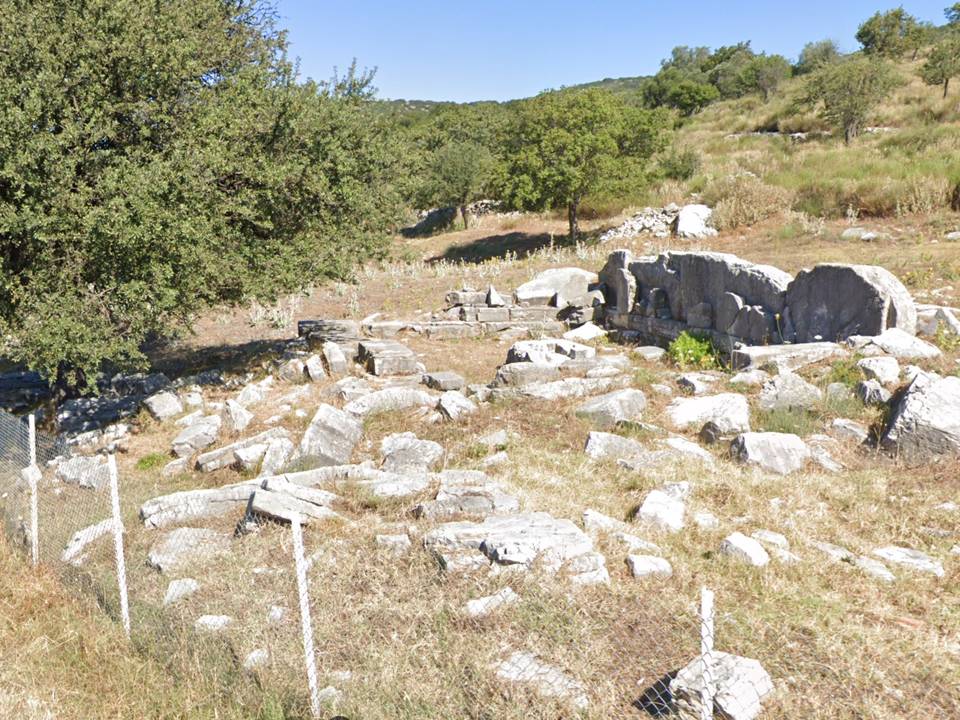
Ancient Temple
Perivolia, Phigaleia
These towns and sanctuaries, together with many other archaeological sites, show that Parrhasia and the surrounding region were inhabited and flourishing during the Archaic and Classical periods.
The foundation of Megalopolis in the fourth century BC, through the union of forty Arcadian towns and smaller settlements with Theban support following the victory over Sparta at Leuktra in 371 BC, brought changes to the population of the region.
Although southwestern Arcadia was not abandoned, from the Hellenistic period onwards it appears to have lost a substantial part of its population, and its communities did not regain their earlier prosperity.